




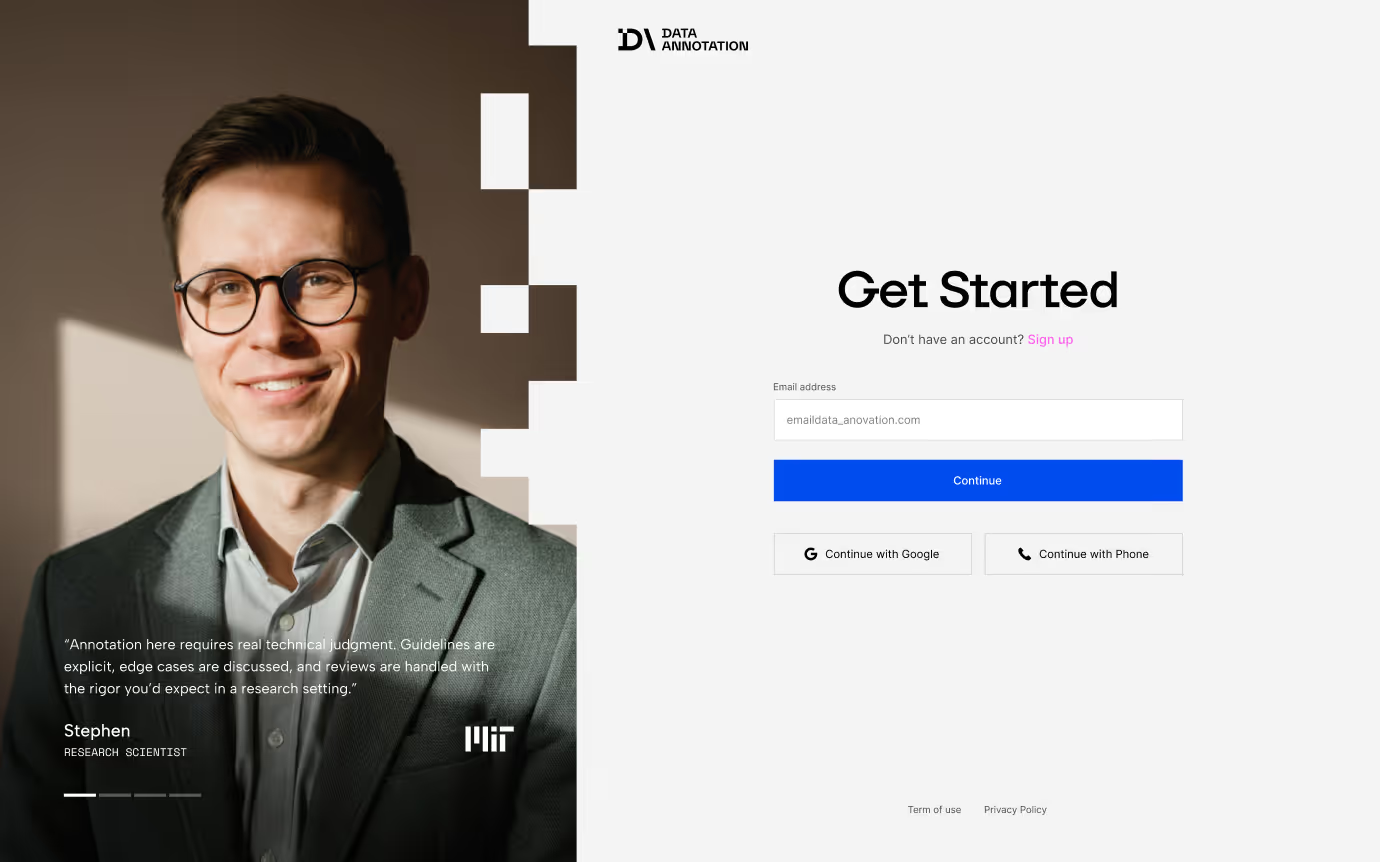
Proceso de postulación rápido
Nuestro onboarding identifica rápidamente tus puntos fuertes, desde la calidad lingüística hasta el razonamiento analítico.
Lingua Stellarum
Programa remoto de contribuidores de IA
Trabaja en tareas reales de lenguaje para IA desde cualquier lugar. Horarios flexibles, instrucciones claras y pago competitivo desde el primer día.
Rango típico: COP 55.000–COP 130.000/h

4,6 basándose en 145 reseñas
De confianza para equipos globales de IA
Recibimos contribuidores de diversos contextos lingüísticos. Las vacantes abiertas cambian según las necesidades de los proyectos.
Participa en proyectos prácticos de IA donde tu criterio lingüístico y atención al detalle generan mejoras reales.

Contribuye de forma remota desde cualquier lugar, a tu manera.

Define tu propia rutina y elige cuándo quieres trabajar.

Comienza rápidamente con tareas guiadas e instrucciones claras.

Cobra de forma fiable por contribuciones aprobadas y de alta calidad.
En Lingua Stellarum, construimos una mejor IA mediante feedback humano de alta calidad. Puedes trabajar de forma remota, definir tu propio ritmo y centrarte en tareas relevantes.
Buscamos colaboradores bilingües para evaluar y mejorar respuestas de IA en inglés y español, con foco en claridad, precisión cultural y tono natural.
Nuestro onboarding identifica rápidamente tus puntos fuertes, desde la calidad lingüística hasta el razonamiento analítico.
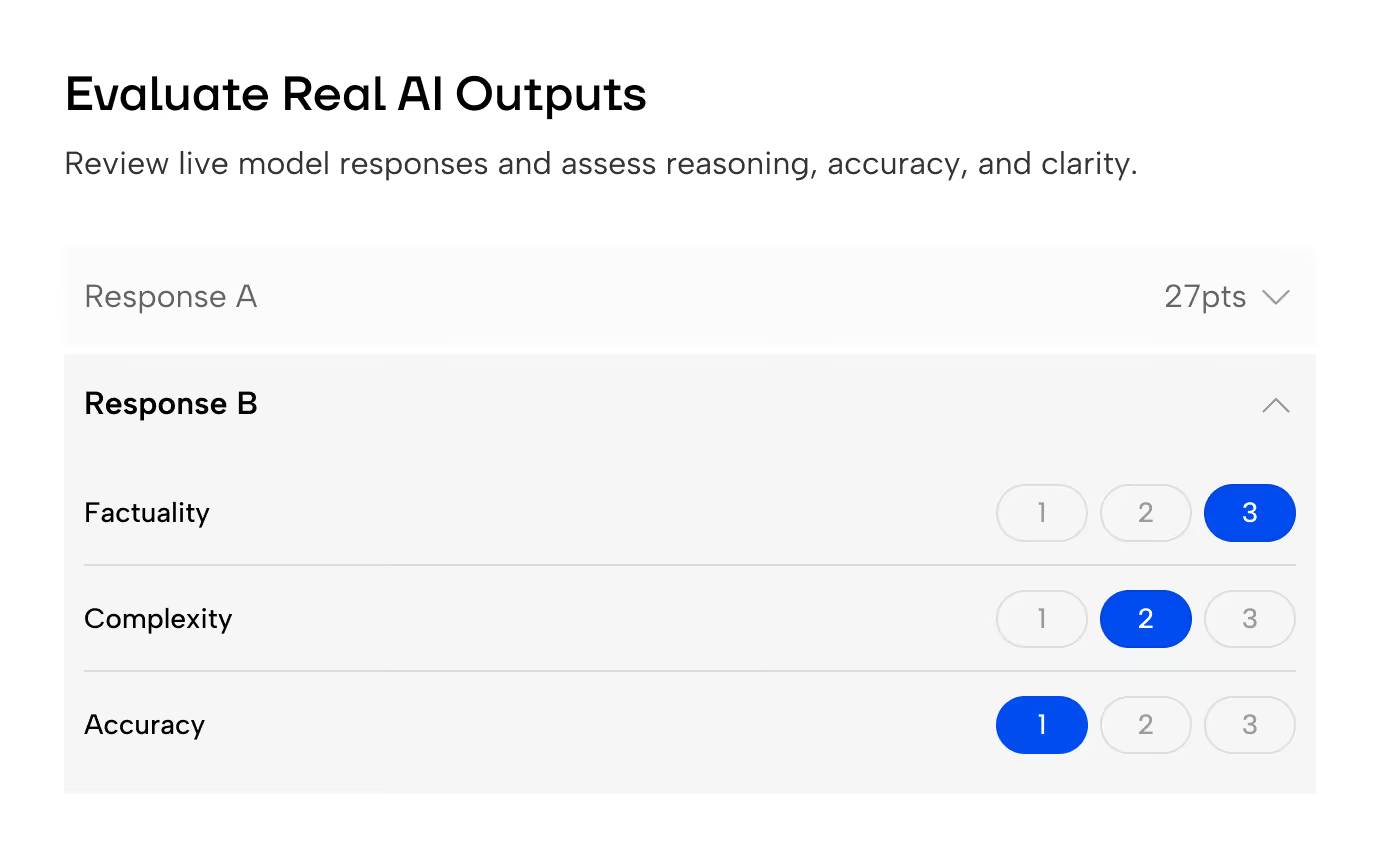
Contribuye en iniciativas reales de IA revisando resultados, mejorando prompts, etiquetando datos y validando calidad.
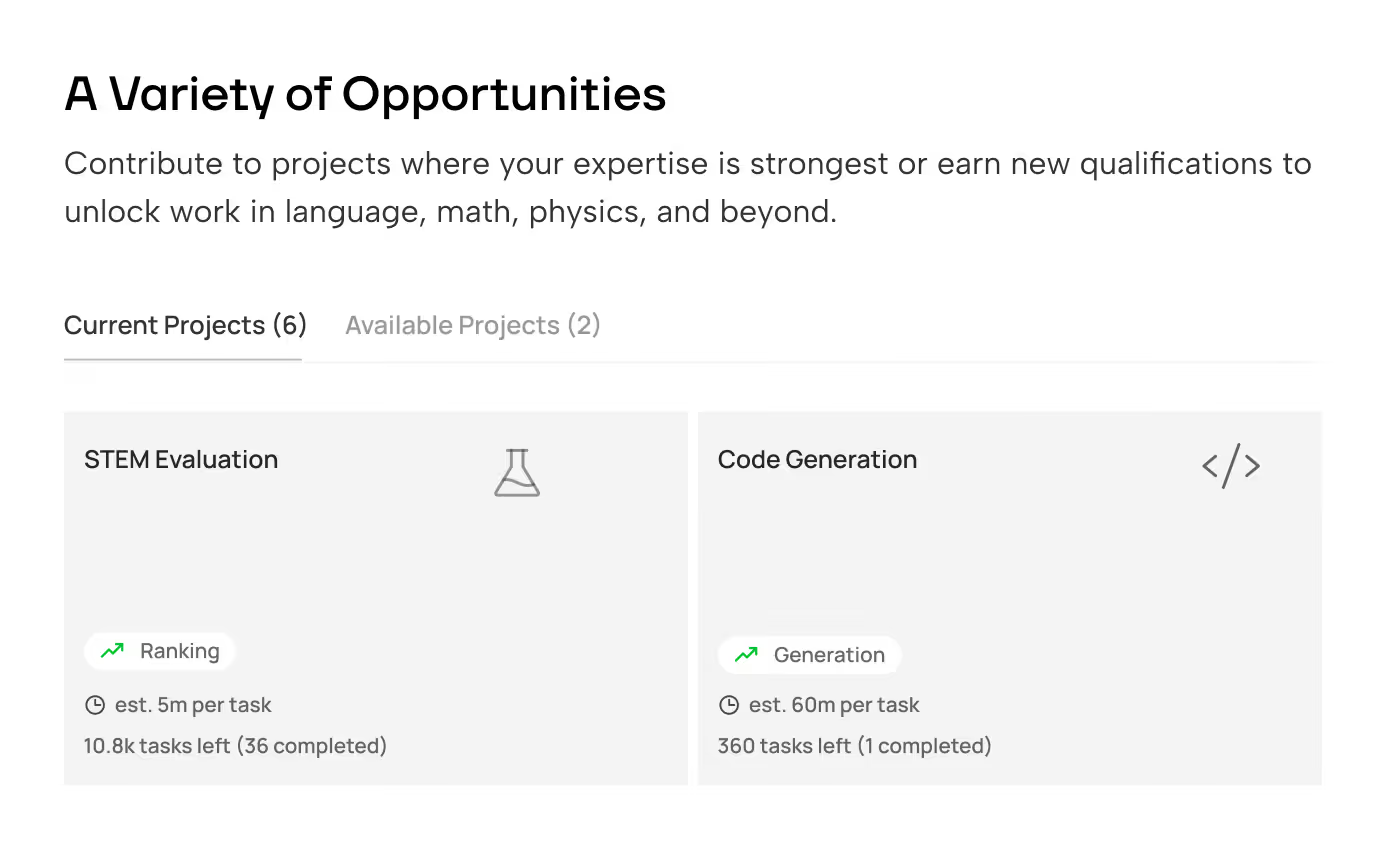
Contribuye en iniciativas reales de IA revisando resultados, mejorando prompts, etiquetando datos y validando calidad.
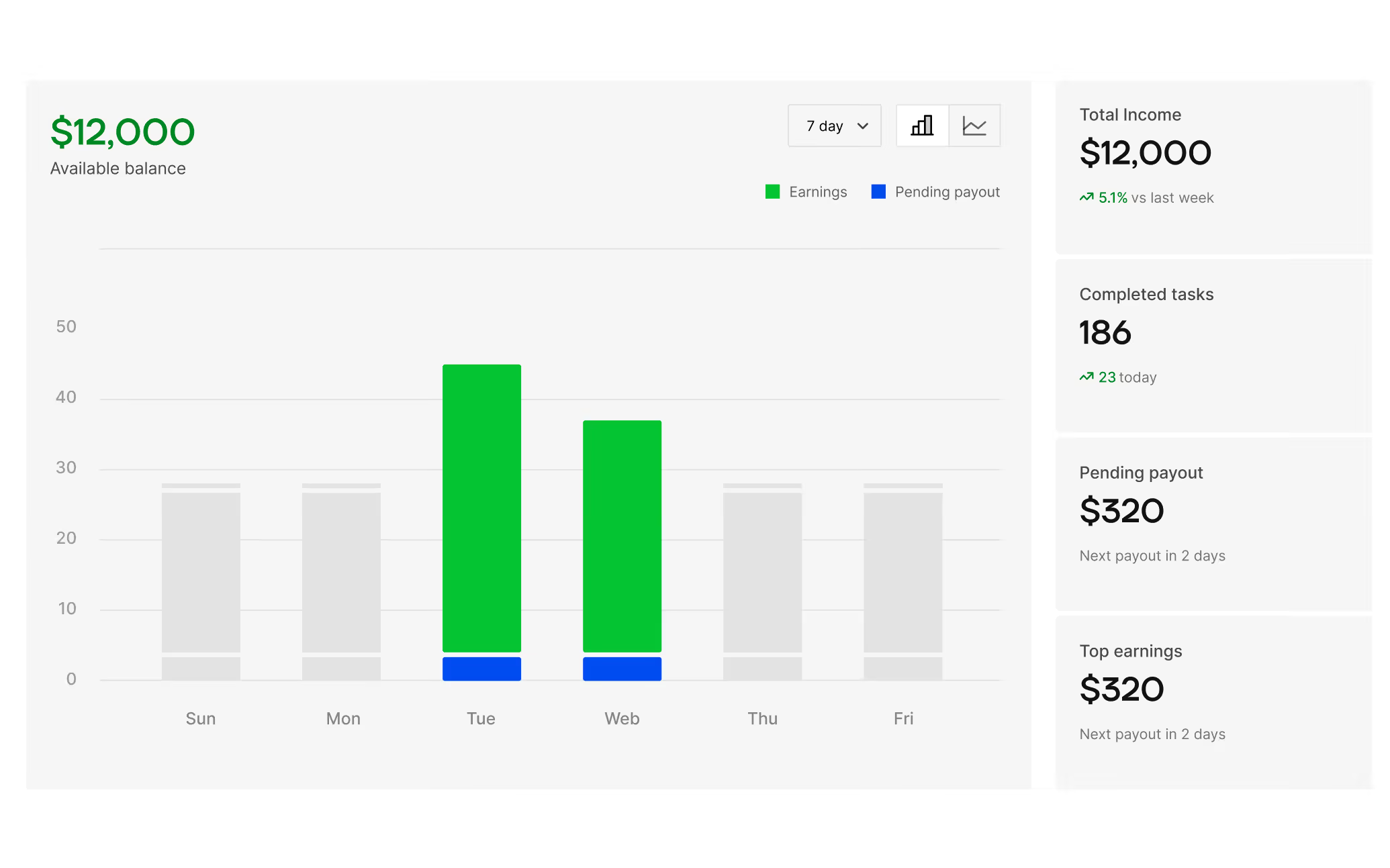
Contribuye en iniciativas reales de IA revisando resultados, mejorando prompts, etiquetando datos y validando calidad.
Mantenemos estándares altos para garantizar calidad en los proyectos. Los buenos contribuidores desbloquean mejor acceso a proyectos y pagos.
Postúlate ahoraCompleta una evaluación breve adaptada a tu perfil lingüístico y de habilidades.
Comienza con proyectos que encajen con tus puntos fuertes y tu disponibilidad.
El trabajo aprobado se paga con rapidez, con un retiro sencillo a tu cuenta.
Preguntas comunes sobre tareas, elegibilidad y pagos.
Revisarás respuestas de IA, mejorarás prompts, verificarás consistencia factual y evaluarás la calidad de los resultados. No es necesario tener experiencia en programación.
Los proyectos pueden incluir revisión lingüística, ranking de respuestas, validación de hechos, etiquetado de datos y evaluación específica por tema para sistemas de IA en producción.
Es ideal para personas detallistas, con buen razonamiento y comunicación, incluidos estudiantes, investigadores, profesionales y contribuidores independientes.
Es un modelo flexible de trabajo como contratista. Trabajas de forma remota, eliges tus horarios y ajustas tu carga según tu disponibilidad.
Postulación rápida
Sin un proceso de selección largo: solo tareas prácticas, expectativas claras y un pago justo.
Postúlate en menos de 2 minutos